WHAT IT IS
The line is made of words
In micrography the written line itself forms the contour of a shape: an arch, a flower, a lion. That sets it apart from shape poems, where lines of different lengths fill a shape.
Shape poems compared textorabisco
TEXT DOODLES, EXPLAINED
Look closely at the outline. It is made of words.
Compare the sizes
≈ 1 mmletters that draw
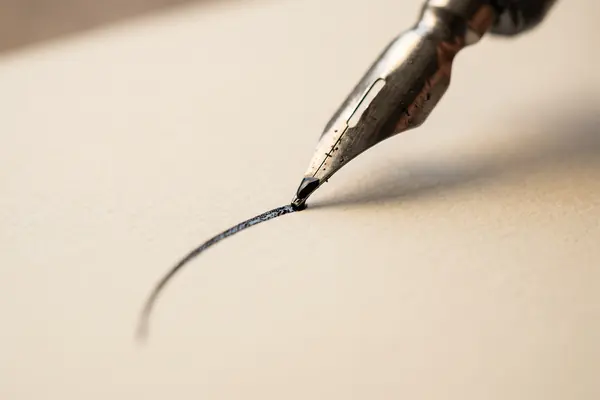
Rabisco is Portuguese for a scribble. Micrography is the opposite of a scribble: the careful art of writing so small that the lines of text become the lines of a drawing. Jewish scribes have practised it for more than a millennium.
Updated
THE SHORT ANSWER
Micrography turns lines of text into outlines.
The text was usually scholarly notes, not the main page.
WHAT IT IS
In micrography the written line itself forms the contour of a shape: an arch, a flower, a lion. That sets it apart from shape poems, where lines of different lengths fill a shape.
Shape poems comparedHOW SMALL
In Spanish Hebrew Bibles the letters are generally no more than a millimetre tall, so you cannot easily see that the lines are writing. Northern European examples are larger.
Compare the sizesTHE TEXT
Scribes mostly used the masorah, notes that kept the Hebrew Bible text accurate by counting and listing its words. Copying them was drudgery; shaping them was a creative outlet.
See the datesA QUICK SIZE CHECK
Pick the kind of writing on a decorated medieval Hebrew Bible page to see how it compares. The bar shows how hard the letters are to make out as writing.
Sizes vary from book to book; these are the general patterns described by the British Library.
TWO NUMBERS WORTH KNOWING
One date for the earliest dated example,
one for when it left the manuscript page.
895–6 CE
Oldest dated Hebrew manuscript with micrography
The Moshe Ben-Asher Codex of the Prophets, kept in Cairo, is the earliest dated medieval Hebrew manuscript and already shows micrographic masorah, both in the margins and on full decorated pages.
EARLIEST DATED · JHOM
1798
Lithography spreads the art
The invention of lithography in 1798 took micrography beyond one-of-a-kind manuscripts. In the 19th and 20th centuries, mass-produced micrographic prints reached a much wider audience.
INTO PRINT · JTS LIBRARY
The art peaked in European manuscripts from the 13th to the 15th centuries and in Yemen in the 15th century, according to the Jewish Heritage Online Magazine.

FOUR WAYS TO LOOK AT IT
Library and museum websites let you zoom into digitised manuscripts. These are the things worth noticing.
From a distance you see arches, flowers, fish or beasts. Only up close do the outlines turn into rows of letters.
Look between the columns and at the top and bottom of the page, where the masorah notes were usually written.
Some books open or close with whole decorated pages, such as the 1469 Sana'a Pentateuch's rose of text circled by five pairs of fish.
Northern European scribes shaped notes into lions, elephants, ducks, dragons, unicorns and even jousting knights.
NOT QUITE A SHAPE POEM
Shape poems from Classical times were once thought to be where micrography came from. The British Library notes a key difference: in shape poems, lines of different lengths fill the outline and the picture matches the poem. In micrography, the line of text draws the outline and the shape usually has nothing to do with the words.
Scholars point instead to Islamic art, where writing was often turned into decorative patterns, as the main influence. Today's nearest relatives are photomosaics and ASCII art, where small pieces build a picture seen from a distance.
Questions
The word comes from Greek for small writing. It describes images formed from minute letters, so that the text makes the picture when seen from a distance.
Rabisco is Portuguese for a scrawl or scribble, from rabiscar. Micrography is in a sense its opposite: writing so controlled that it becomes a drawing.
In Egypt and the Land of Israel. The JTS Library dates its first practice to the 10th century; the earliest dated example, a codex of 895 to 896 CE, already uses it.
According to the JTS Library, the rules against ornamentation applied only to Torah scrolls, so Bibles in book form gave scribes more freedom to arrange and decorate the text.
No. The JTS Library notes that Judah he-Hasid (about 1150 to 1217) complained that shaping the masorah into designs made the notes unusable for their purpose.
ABOUT THIS NAME
textorabisco.com is part of the DoodleSale portfolio. It isn't in an auction right now, but you can ask about leasing it.